Begin with
your priorities.
Walk the property, understand your timing and occupancy, and review comparable sales. Compare an as-is sale with realistic renovation scenarios, including fees, selling costs and carrying costs.
Pre-sale home renovation · La Jolla
Neighborhood Investment plans and manages pre-sale home renovations in La Jolla—with integrated design and optional project funding. You keep ownership and the remaining proceeds after agreed costs.
One renovation service. Three funding choices. No additional profit split.
The Neighborhood approach
You see the possibilities. You may not want to organize a renovation, find the funding, and manage a sale on your own.
Neighborhood Investment is a local, hands-on renovation partner focused on a select group of La Jolla projects. We bring planning, integrated design, contractor coordination and sale preparation into one service. You approve the scope, budget and fees before work begins.
We start with one question: could renovating leave you with more after the costs?
Compare the possibilitiesExperience that informs the plan
Renovating homes since
Real estate licensed since
California broker since
Roman’s experience spans lower-priced homes through high-end properties. Renovation count is approximate and reflects his personal experience. View selected brokerage transactions.
A closer look
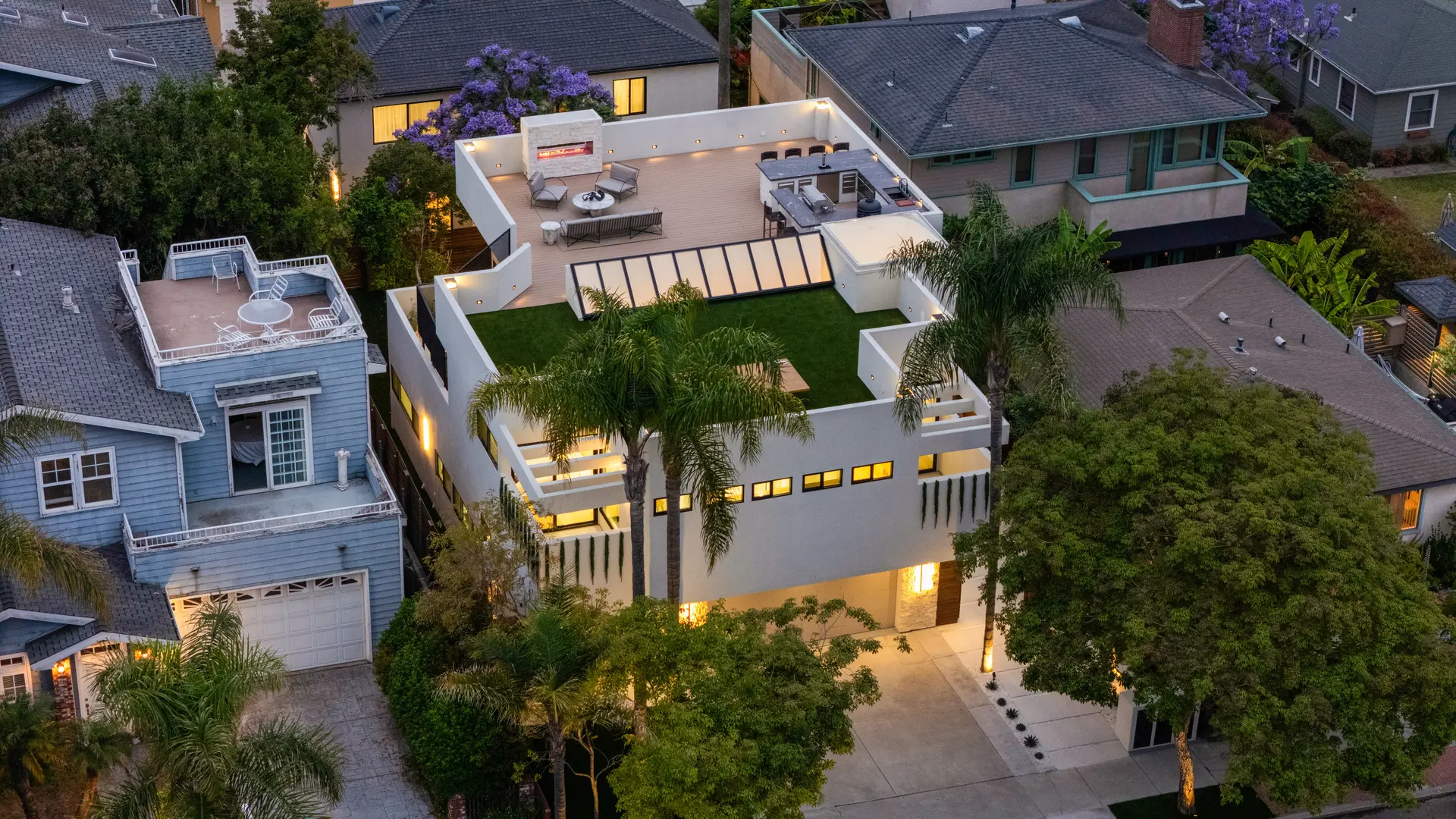
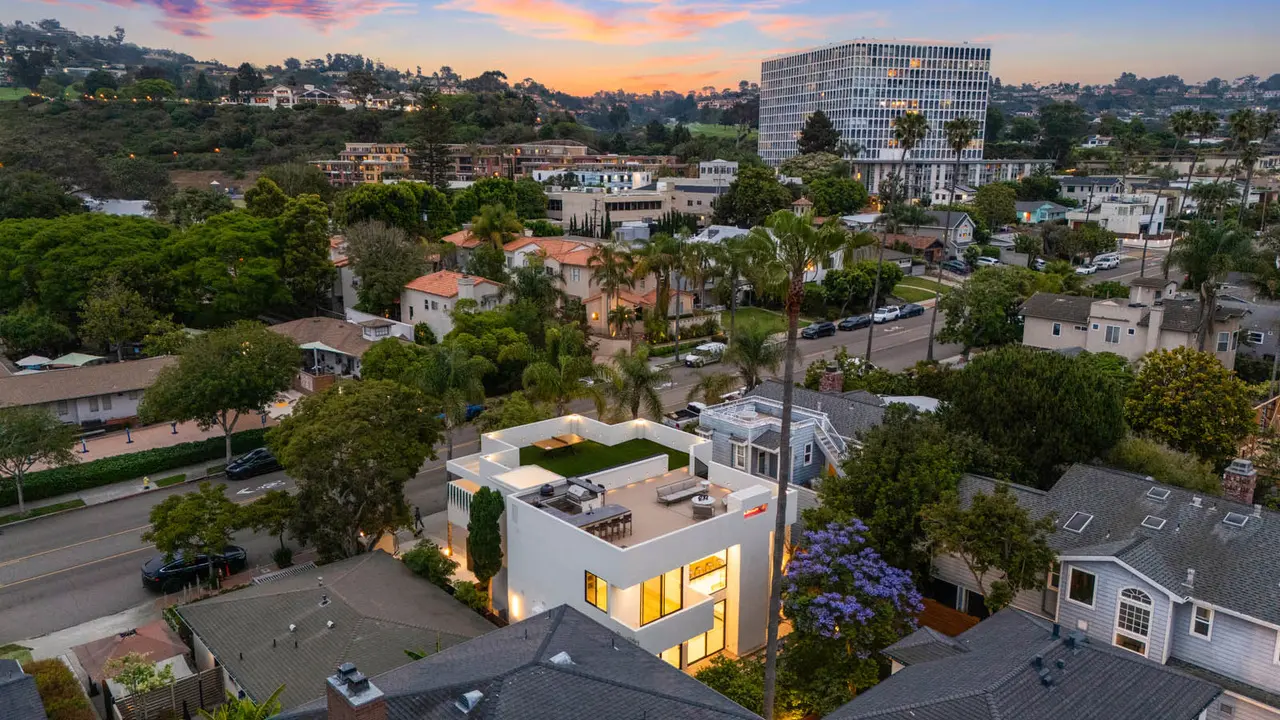
Architecture, materials, and the way a home feels all shape a buyer’s first impression. Fay Avenue brings that thinking into view.
Featured renovation
La Jolla, California
A front residence and detached duplex in La Jolla Village. Roman’s owner-developed Fay Avenue project brings together interior renovation, outdoor living and a considered presentation of three distinct living spaces. It offers a tangible starting point for discussing which improvements could matter most at your property.
Ask about a private walkthroughCompleted renovation work shown from Roman’s own development; this is not a completed homeowner-program sale or a promised financial result. Walkthroughs are by arrangement and subject to availability.
Earlier remodel experience
Selected properties from Roman’s remodel participation records.
From possibility to closing
A small, carefully selected group of projects, with personal involvement throughout.
Walk the property, understand your timing and occupancy, and review comparable sales. Compare an as-is sale with realistic renovation scenarios, including fees, selling costs and carrying costs.
Approve the design direction, written scope, eligible costs, management fee, funding terms and schedule. Use an independent appraisal when appropriate or required, alongside the comparable-sales analysis.
Coordinate selections and the licensed construction team. Receive progress and cost updates, and approve budget or scope changes in writing before the additional work proceeds.
Prepare the home for market with your listing agent. Settle project and sale obligations under the signed agreements; you retain the remaining net proceeds, with no additional profit split.
One service. Three ways to fund it.
Planning, agreed design services, budget and schedule coordination, contractor coordination, and sale preparation are included in the project management fee.
You retain ownership. After project and sale obligations, you keep the remaining proceeds. No additional Neighborhood profit split.
25% of the first $250,000 in eligible project costs, plus 20% above $250,000. There is no additional Neighborhood charge for the agreed design services.
A one-time 15% charge on eligible costs actually funded through the program. Owner-funded costs have no program funding charge. Advances are staged against the agreed work, schedule and expenses. Payment deadlines and any funding security are disclosed in writing.
Eligible costs are defined in your approved budget. Outside specialists and any contractor overhead or profit are identified there. Brokerage compensation is separate and negotiable; selling and ownership costs are additional.
Proposed program terms, subject to project review and final agreements. Approved costs and fees may be deferred to closing; payment obligations also apply if the home does not sell or you decide to keep it. The proposed funding maturity is no later than 24 months after the first advance.
Define the costs first. The approved budget identifies eligible construction, permits and government fees, outside specialists, and agreed sale preparation such as staging and cleaning. Any included maintenance or utilities have a defined allowance and duration. The contractor’s bid may include insurance, overhead and profit.
Reconcile to approved actual costs. Credits and refunds reduce eligible costs. Our management fee is not charged on itself, the funding charge, brokerage commissions, unused contingency or refundable deposits. Agreed Neighborhood design services are included, not charged a second time.
Approve changes before added work. Written changes identify the effect on costs, fees, funding and timing. Final accounting credits owner payments and shows unpaid obligations separately. A contingency allowance is not automatically a spent cost or an earned fee.
| Project cost | Owner-funded | Program-funded |
|---|---|---|
| Eligible renovation work | $500,000 | $500,000 |
| Management & agreed design | $112,500 | $112,500 |
| Program funding charge | $0 | $75,000 |
| Total project costs & fees | $612,500 | $687,500 |
Illustrative fee calculation, not a project quote. Selling expenses and additional ownership costs are separate.
Look at what you could keep
The opportunity needs room for costs, time and uncertainty. Explore a hypothetical application of our fees to the Fay figures, then test lower sale prices or a thinner-margin project.
Hypothetical, not a completed program result: Roman supplied a $3,185,000 as-is assumption, $1,560,000 renovation costs, $45,000 staging and a $5,990,000 sale scenario. This model adds illustrative 5% combined brokerage, 1% other closing costs in each scenario, and a $100,000 incremental carrying/relocation allowance after renovation. The allowance is not a verified Fay expense; replace it with your own costs. Existing debt is set to zero so the illustration is before debt payoff and income taxes.
An illustration, not a quote, appraisal, financing offer or guarantee. Income and capital gains taxes are excluded. Costs left out of your inputs, lower sale prices, delays or overruns can reduce proceeds. Your property-specific proposal should compare realistic sale ranges and identify every cost, contribution and repayment obligation.
Personal involvement. Complementary perspectives.

CA DRE 01757107 · Designated broker-officer
AppleTree Real Estate Inc · CA DRE 01944098
Roman has renovated approximately 175 residential properties since 2011, from lower-priced homes to high-end properties. Real estate licensed since 2006 and a California broker since 2010, he brings an investor’s eye to the scope, budget and potential resale of each home. Based in La Jolla, he stays personally involved in a select group of projects.
Explore Roman’s track record
Sylvia Paola Cedillo · CA DRE 02234459
Real estate salesperson · AppleTree Real Estate Inc
Sylvia leads the integrated design perspective, helping shape the home’s overall direction, materials and finish selections around its intended buyer. The agreed design services are included in Neighborhood’s project management fee, with outside specialists identified separately in the approved budget.
Meet Sylvia on InstagramSelected transaction experience
A selection from Roman’s closed transactions, with his role shown for each sale.
| Property | Sale price | Closed | Roman’s role |
|---|---|---|---|
| 5675 Soledad Mountain RoadLa Jolla | $4,350,000 | Listing agent | |
| 2630 6th AvenueSan Diego | $4,000,000 | Buyer agent | |
| 3603 King StreetLa Mesa | $3,445,000 | Buyer agent | |
| 738 S Orange AvenueEl Cajon | $3,200,000 | Buyer agent | |
| 7376 Fay AvenueLa Jolla · acquisition transaction | $3,185,000 | Buyer agent |
Source: Roman Cedillo’s supplied transaction records, reviewed September 21, 2026. The full record includes 101 closings totaling $76,877,050: 100 MLS-recorded sales and one confirmed off-market sale. Each closing is counted once, including both-side representation. These figures describe Roman’s brokerage participation, not Neighborhood Investment’s renovation volume or investment returns.
For real estate agents
Have a seller whose home could benefit from renovation before going to market? You keep the listing and client relationship. Neighborhood coordinates the agreed renovation, design and optional funding, while you guide the sale.
We start with an as-is versus renovated proceeds comparison. Your seller sees the scope, budget, fees, timeline and repayment terms before committing. Any co-listing or referral arrangement is separately agreed in writing.
Roles, compensation, and client disclosures are agreed in writing. Brokerage compensation is negotiable.
Before we begin
Neighborhood Investment focuses on a select group of homes in La Jolla, California. The service combines renovation planning, agreed design, budget and schedule management, contractor coordination and sale preparation. Project fit, scope and any program funding are reviewed individually.
We are starting in La Jolla with homes that could benefit from focused, marketable improvements, have sufficient equity, and have a clear path to a sale. Our initial focus is vacant and non-owner-occupied properties with a lawful vacancy plan.
Initial planning may be possible with lawful access and proper notice. Tenancy rights, permits, and a lawful vacancy plan must be resolved before construction. Renovation does not automatically create a right to terminate a tenancy.
The proposed structure keeps you as the owner through the sale. Retaining a mortgage and adding project financing depend on loan terms, title review, and lender requirements. Existing loan payments and other ownership obligations remain your responsibility unless expressly modified by the relevant parties.
Your written proposal itemizes eligible renovation costs, the management and design fee, any program funding charge, brokerage compensation, selling expenses and ownership costs. Approved costs and fees may be deferred to closing under the agreement. Mortgage payments, relocation, reserves and other obligations may still require cash during the project. The proposed fee schedule and sample comparison appear above.
You could receive less than the as-is comparison, and a loss is possible. There is no additional profit split, but agreed costs, fees and repayment obligations still apply. Before recommending a project, we compare lower sale prices, higher costs and longer timelines; no sale price or level of proceeds is guaranteed.
The construction contract names the active, properly licensed contractor responsible for the work. Neighborhood coordinates the agreed planning, design and management services. Your existing agent can retain the listing; when you need representation, brokerage services are planned through AppleTree Real Estate, Inc. Brokerage roles and negotiable compensation are documented separately.
No additional Neighborhood profit split applies under the proposed fee-based model. After project and sale obligations, you retain the remaining net proceeds. Agreed design services are included in the management fee; outside specialists and contractor overhead or profit are identified in the approved budget.
Yes. Choose owner-funded, program-funded or partially funded costs. The same proposed management fee applies; the one-time 15% program funding charge applies only to eligible costs actually funded through the program. Owner-funded costs have no program funding charge. Program funding is subject to approval and availability.
Payment is not contingent on a successful sale. Approved project costs, agreed fees and funding obligations remain payable under the signed agreement if you keep the home, cancel or do not sell on time. Your proposal identifies exit obligations, any recorded funding security and payment deadlines. Proposed funding maturity is no later than 24 months from the first advance; a sale delay does not automatically extend it.
You receive a written scope and approved budget before work begins, with progress and cost updates during the project. Changes require written approval and should show their effect on project costs, fees, funding and timing. Eligible costs and the basis for calculating compensation are defined in the agreement.
We can assess an owner-occupied home, too. The plan needs to account for a suitable place to stay during construction and any additional living expenses. Those costs belong in the comparison before you decide.
The first step is a conversation
Share the property’s location, current condition and your ideal timing. We’ll start with whether a renovation could improve your outcome after costs. Already working with an agent? Bring them into the conversation.
Contact details appear on request to reduce automated harvesting. Prefer a message? Use our property inquiry form.
Follow our work on InstagramHomeowners & referring agents
Share the location, condition and timing through our short property inquiry form. We’ll review your plans and follow up to start the conversation.
Request a conversationOpens our form hosted by Typeform. Your response is stored there for our team to review; no email app is needed. Please don’t include account numbers or confidential documents.
Already working with an agent? They’re welcome to submit the inquiry and stay involved.